


Table of Contents

131

9 min

20.03.2025
5 tips to eliminate cash flow problems for good

Karine Shevchenko
Financial Expert at Finmap
Have you ever worried that tomorrow is payday and there’s barely any money left in your account? Do you panic when key suppliers demand payment and you don’t have enough funds?
Every entrepreneur has faced situations like this at some point. But why does a cash shortage happen right when it matters most — sometimes at make-or-break moments — and how can you avoid it?

This worrying scenario is known as a cash flow problem — when there isn’t enough money to cover the business’s financial obligations.
It can lead to bankruptcy and debt. Cash flow problems can also create negative consequences beyond your finances: falling sales, reputational damage, conflicts with suppliers, team stress, staff turnover, penalties from suppliers and banks, and production delays.
This article is designed to help entrepreneurs get rid of cash flow problems for good. We’ll share 5 essential tips to protect your business’s financial stability, avoid the stress of running short on cash, and build a solid foundation for sustainable growth.
By following these recommendations, you’ll be able to plan cash flows more effectively, control expenses, optimize accounts payable management, build financial reserves, and increase revenue.
Getting ahead of problems is the most effective way to avoid cash flow difficulties. So where should you start?
1. Plan your cash flows
Why planning matters
Regular cash flow planning is essential for forecasting and preventing potential financial problems. According to Minutes.co:
82% of small businesses fail because of cash flow problems.
Financial forecasting
Create revenue and expense forecasts for upcoming periods. This helps you spot possible cash crunches and prepare in advance. According to a JP Morgan Chase study:
Small and medium-sized businesses have, on average, only 27 days of cash reserves.
2. Control your spending
Expense analysis
Reviewing costs regularly helps you identify where you can save. Assess whether you can replace expensive suppliers with more affordable alternatives without compromising quality. For example, using more cost-effective materials or optimizing production processes can significantly reduce costs.
Prioritizing expenses
Prioritize expenses that directly affect revenue. Investing in raw materials, research and development, marketing, and team training can increase sales and improve product quality. Cut less essential costs, such as unnecessary administrative expenses.
Flexible budgets
According to Harvard Business Review:
Companies that use flexible budgeting in uncertain times are more likely to avoid financial difficulties.
Using technology
Technology solutions help you monitor and optimize expenses. Use financial management software to automate processes and get accurate reports. According to McKinsey:
Adopting digital solutions can reduce costs by up to 30%.

3. Optimize accounts payable management
Payment terms
Negotiate longer payment terms with your suppliers whenever possible. This allows you to keep more cash available to cover operating expenses. Also, review supplier contracts regularly and look for better terms.
Process automation
Use financial management software to automate control over accounts payable. This reduces errors and ensures payments are made on time, helping you avoid unnecessary fines and interest.
Setting priorities
Prioritize paying the debts that have the biggest impact on your business. Pay off the ones that could lead to the most serious consequences if they’re overdue first.

Monitoring accounts payable
Keep a close eye on your accounts payable. This helps you avoid unexpected expenses and respond quickly to potential financial issues. Consider using analytics tools to forecast future needs and plan payments accurately.
Experienced entrepreneurs use a payment calendar — a real “vaccine against cash flow problems.”
What is a payment calendar?
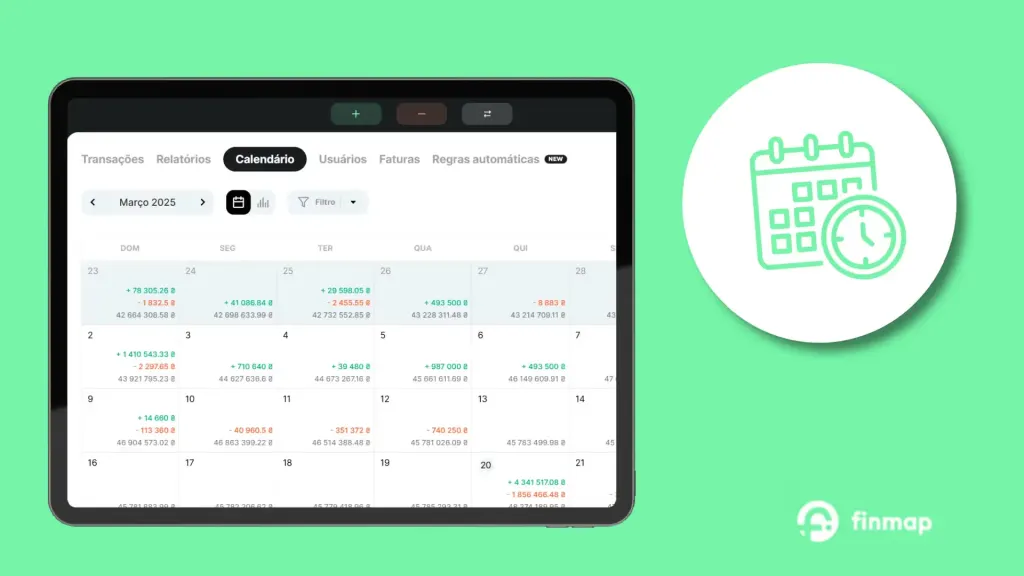
A payment calendar is a financial planning tool that helps you manage your business cash flows. It is usually created for a month, broken down by week, or for a longer period depending on the company’s needs.
It records planned incoming and outgoing payments, allowing the business owner to assess whether the company can meet its financial obligations on time.
Many companies still use Excel spreadsheets, but this approach can be time-consuming and inconvenient. A more efficient alternative is automated financial management software.
The advantage of these tools is that all planned payments are automatically added to the calendar, giving you early visibility into possible cash flow problems.
You also don’t need to enter balances, income, and expenses manually every month. With bank integration, all information is updated automatically, ensuring accuracy and saving time.
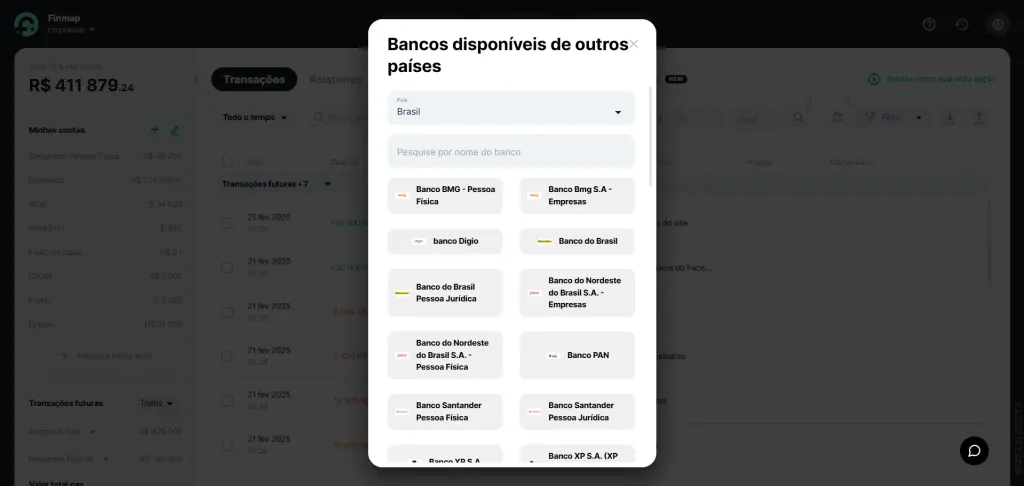
Managing your payment calendar in Finmap is quick and easy, taking just a few clicks:
- Record all planned expenses: rent, salaries, taxes, and other financial obligations.
- Add expected incoming payments: client payments, accounts receivable settlements, and more.
A video tutorial can help you explore the payment calendar’s features and get the most out of this tool.
Now, with the payment calendar, you can clearly see when a cash flow problem may arise and take action in advance.
Avoid surprises: adjust or postpone payments, negotiate terms with suppliers, and encourage clients to pay earlier.
4. Use financial reserves
Building reserves
Create a reserve fund to cover unexpected expenses. This will help you avoid cash flow problems during financially difficult periods. Experts recommend keeping enough reserves to cover three to six months of expenses.
Investments
Consider investing part of your profit in liquid assets that can be quickly converted into cash if needed.
Diversifying reserves
Spread your reserve funds across different accounts and assets to reduce risk. For example, keep part of your money in savings accounts, another part in bonds, and the rest in liquid investments.
Regular reserve reviews
Review and update your financial reserves regularly to make sure they match your business’s current needs. This will help you handle financial challenges with more confidence and avoid cash flow problems.
5. Increase your revenue
Marketing strategies
Implement effective marketing strategies to attract new customers and increase sales. Use SEO, social media, and other channels to strengthen brand awareness.
Investing in content marketing can significantly increase website traffic. In addition, retargeting campaigns can bring back up to 26% of visitors who have already visited your site, increasing the chances of conversion.
Diversification
Consider expanding your product or service line. This will help reduce the risks that come with relying on a single revenue stream.
Partnership programs
Launch partnership programs to attract new customers through established partners. This strategy can significantly expand your market without major marketing investments. According to Forrester:
Companies that use partnership programs can generate up to 15% of total revenue from these channels.
Customer loyalty
Invest in loyalty programs to retain existing customers. According to Bain & Company:
A 5% increase in customer retention can increase profits by 25% to 95%.
Consider offering discounts, bonuses, and special deals for loyal customers to encourage repeat purchases.
Avoiding cash gaps is essential for stable business growth.
Applying these five tips will help you protect your financial stability and avoid the stress caused by a lack of funds.
Plan your cash flow, control costs, optimize accounts payable, build financial reserves, and increase revenue.
With these strategies, you can minimize financial risks and keep your business on track for success, while Finmap makes the whole process simple and easy to understand.
In addition to the payment calendar in Finmap, you can:
- Track money coming in and going out with bank integrations.
- Collect data and transactions from different projects, categories, contractors, and business partners.
- Analyze cash and profit easily — not through complex reports, but with clear visual charts.
Forget the stress of management accounting. Discover what organization and transparency can look like in your business finances!
Share valuable content — become a source of insights