

Table of Contents

309

8 min

21.08.2026
When a Client Won't Pay: How to Collect Debts Without a Cash Gap

Olena Smolikova
Financial expert at Finmap
Sooner or later it happens to every agency: the work is done, the sign-off is in, and the money just doesn't come. The client says "next week," then "it's a tough stretch right now," then simply goes quiet. An unpaid invoice isn't only lost profit — it's a direct hit to your cash flow: you've already paid your team for that work, and nothing has come back to cover it. Let's break down how to keep a debt from forming in the first place, and what to do once it has.
Why non-payment isn't only about money
An unpaid invoice hits twice. The first hit is obvious: you didn't get what you earned. The second, sneakier one lands on your cash flow — you've already covered the project's costs, so now you're financing someone else's debt out of your own pocket. A single large unpaid invoice can trigger a cash gap in a perfectly profitable agency. That's why managing debt is, first and foremost, about protecting your cash flow (how to avoid cash gaps).
Prevention: keeping a debt from forming
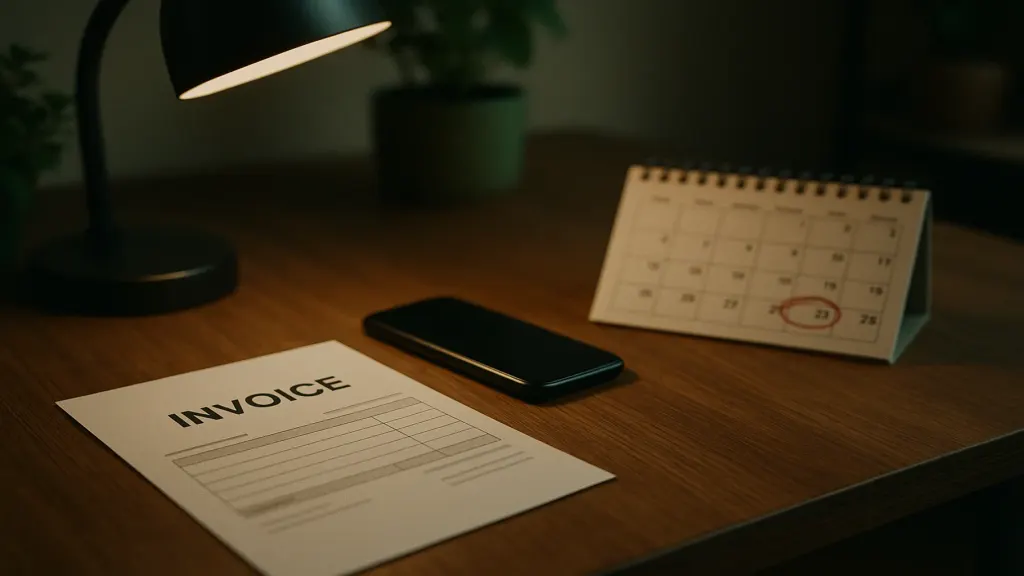
The best debt is the one that never happens. Your main preventive tool is upfront payment and payment by stages: once part of the money is in before you start, the risk of non-payment drops sharply (on payment terms). Add to that vetting new clients, clear payment deadlines in the contract, and keeping an eye on receivables: you should see who owes what, and how much, well before the debt becomes a problem.
When payment is late: first steps
The moment the deadline passes — don't stay silent and don't wait. Send a reminder right away, calm and businesslike: the invoice may have simply slipped through the cracks. If there's still silence, call, find out why, and agree on a specific date. Often that's enough. The key rule: don't take on new work for a client who hasn't cleared the previous invoice — that's how you keep the debt from growing.
If the client refuses to pay
When reminders stop working, escalate step by step: a written formal demand referencing the contract, a halt on all work and access, and, if needed, a lawyer or collection. But do the math soberly: sometimes it's cheaper to book the loss and move on than to fight for months over an amount smaller than the nerves and time it costs you. The main thing is to draw a conclusion — with a client like that, it's upfront payment from now on, or nothing.
Example: debt and a cash gap
An agency delivers a project worth 120 thousand; the costs on it (team, contractors) — 90 thousand — are already spent. The client doesn't pay for two months. That 90 thousand is now "stuck": the agency financed someone else's project out of its own flow, and that's exactly the money it was short on for payroll — a cash gap. With a 50% advance (60 thousand upfront), only 30 thousand would have been stuck instead of 90, and there'd have been no gap. Same debt, but the fallout differs depending on your payment terms.

Where to start
Get your receivables in order: make a list of who owes how much and when it's due, and start flagging overdue payments early. And for new projects, make upfront payment the norm — it removes most debts before they even appear. A payment calendar helps you keep incoming payments under control by date.
In Finmap, receivables and overdue payments are visible at a glance — who owes, how much, and when it was due — so debts don't slip through and the cash gaps they cause show up in advance. Try it free for 7 days.
Share valuable content — become a source of insights



Frequently asked questions
What should I do if a client won't pay for completed work?

Send a calm, businesslike reminder right away, then call and agree on a specific date. Don't take on new work until the previous invoice is cleared. If that doesn't work — a written formal demand, a halt on work, and a lawyer if needed.
How do I keep debts from forming?
Upfront payment and payment by stages, vetting new clients, clear deadlines in the contract, and keeping an eye on receivables. The best debt is the one that never happens, because part of the money came in ahead of the work.
Why is a single unpaid invoice so dangerous?
Because you've already covered the project's costs and are financing someone else's debt out of your own pocket. One large unpaid invoice can trigger a cash gap even in a profitable agency.
When is it worth just writing the debt off?
When the time, nerves, and legal costs outweigh the amount of the debt. Sometimes it's cheaper to book the loss and move on — while drawing the conclusion to work with that client on an upfront basis only.
Any questions left?
We are ready to answer them.


Finmap support