

Jak Viora Build odzyskała 20 godzin tygodniowo, zastępując arkusze kalkulacyjne Finmapem
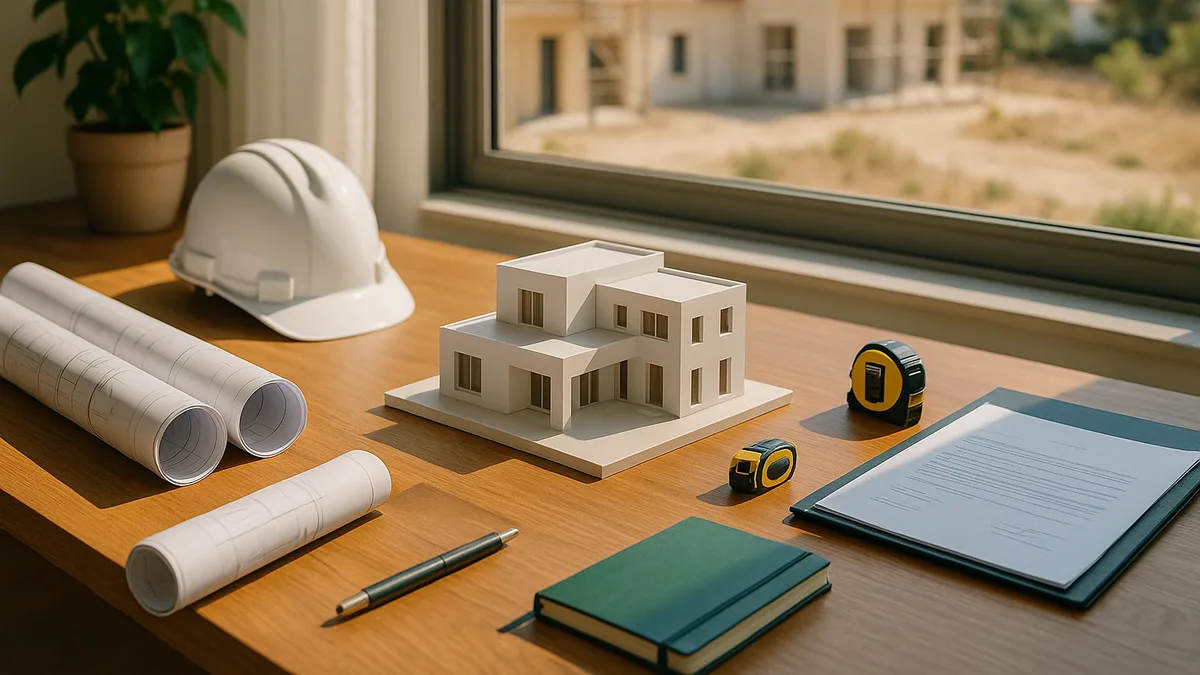
Viora Build to firma budowlana z siedzibą w Portugalii, wznosząca luksusowe i premium wille, a także wielopiętrowe osiedla mieszkaniowe dla prywatnych inwestorów i deweloperów, którzy oczekują zarówno jakości budowy, jak i przejrzystości liczb stojących za nią. Jak większość firm budowlanych działających projektowo, Viora Build prowadzi jednocześnie kilka inwestycji, każdą z własnym budżetem, wykonawcami, harmonogramem płatności i kosztami materiałów — strukturą, w której łatwo stracić kontrolę nad tym, co naprawdę dzieje się z pieniędzmi.
“Współpraca z dyrektorem finansowym uwolniła dla mnie co najmniej 20 godzin tygodniowo w finansach.”
— Simon, kierownik operacyjny w Viora Build
Wyzwanie
Przez lata Viora Build prowadziła finanse tak, jak robi to wiele rozwijających się firm budowlanych: w Arkuszach Google. Każdy wydatek był wprowadzany ręcznie i ręcznie kategoryzowany, projekt po projekcie.
"Śledziliśmy wszystkie wydatki ręcznie i ciągle prowadziło to do błędów. Potrzebowaliśmy systemu, który daje jasny obraz i pomaga planować rozwój", mówi Simon, kierownik operacyjny w Viora Build.
Luki wykraczały poza literówki. Firma nie miała raportów zysków i strat ani przepływów pieniężnych, więc realne marże projektów pozostawały niewidoczne jeszcze długo po fakcie. Nie było kalendarza płatności, co narażało firmę na luki gotówkowe. A ponieważ kilka dużych projektów było realizowanych równolegle, pojedynczy błąd w obliczeniach niósł realne ryzyko finansowe.
"Potrzebowaliśmy osoby, która mogłaby przygotowywać właściwe raporty zysków i strat oraz przepływów pieniężnych, robić zestawienia miesięczne i kwartalne, zajmować się planowaniem finansowym i przygotowywać oferty handlowe dla inwestorów", wyjaśnia Simon. Firma wiedziała, że automatyzacja jest konieczna już od dawna, ale ograniczenia zasobów opóźniały ten krok, aż biznes mógł sobie na to pozwolić.
Rozwiązanie
Gdy tylko Viora Build zyskała kapitał na działanie, ruszyła jednocześnie na dwóch frontach. Po pierwsze, zatrudniła menedżera finansowego, który przejął kategoryzację operacji, budowanie raportów i planowanie finansowe — rolę, która z czasem przekształciła się w stanowisko dyrektora finansowego zajmującego się bardziej strategicznymi zadaniami.
"Na początku pracowaliśmy w formule menedżera finansowego: kategoryzował wszystkie operacje, budował raporty. A teraz pracujemy na głębszym poziomie w formule dyrektora finansowego, gdy wdraża decyzje strategiczne i dostarcza nam raportowanie", mówi Simon.
Po drugie, firma przeniosła wszystkie operacje finansowe z Arkuszy Google do Finmapa, zyskując śledzenie na poziomie kategorii, bieżące salda kont oraz raporty zysków i strat i przepływów pieniężnych na żądanie. Mając podstawy na miejscu, zespół idzie teraz o krok dalej: integruje finanse, zakupy i kosztorysowanie w jednym systemie ERP, tak aby planowanie zakupów, kontrola kosztów i protokoły odbioru robót pozostawały zsynchronizowane.
Rezultaty
Zarządzanie finansami przestało być reaktywne, a zespół zarządzający zyskał jasny obraz każdego projektu.
Najbardziej odczuwalną korzyścią był czas. "Współpraca z dyrektorem finansowym uwolniła dla mnie co najmniej 20 godzin tygodniowo w finansach", mówi Simon — godziny, które teraz przeznacza na rozwój biznesu zamiast gonienia za liczbami.
Drugą korzyścią była dokładność. "Teraz możemy dokładnie obliczać marże naszych projektów, a dzięki temu zysk netto", zauważa Simon. Dzięki kalendarzowi płatności zespół ma też jasny obraz tego, co się zbliża i które protokoły odbioru robót jeszcze trzeba wystawić, eliminując domysły, które wcześniej towarzyszyły lukom gotówkowym.
Zakupy, finanse i kosztorysowanie działają teraz zsynchronizowanie, a nie w oddzielnych silosach, co oszczędza czas całemu zespołowi zarządzającemu, a nie tylko Simonowi. Wraz z wdrażaniem ERP, Viora Build przygotowuje się do kolejnego etapu: podejmowania większych projektów z pewnością, jaką daje dokładna wiedza o tym, gdzie stoją pieniądze.
"Teraz możemy planować nasze finanse, nie wpędzając się w kąt. To daje pewność i swobodę do rozwoju", mówi Simon.