

Жалпы пайда
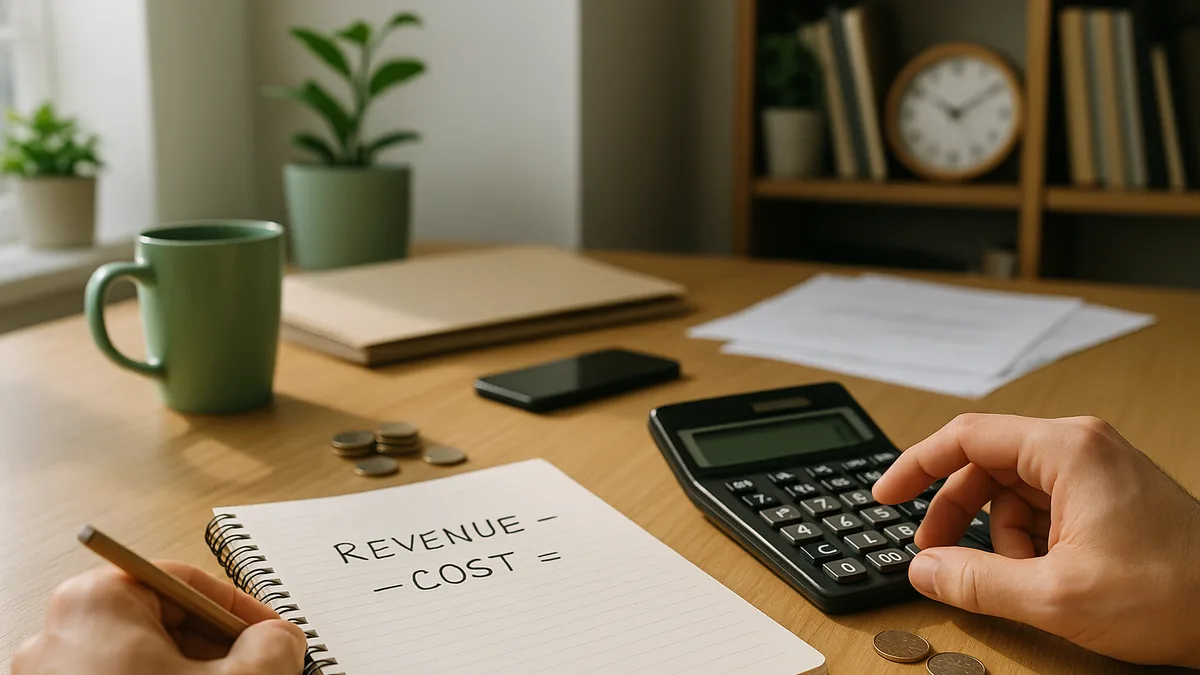
Жалпы пайда — бұл сатудан түскен түсім мен осы тауарларды немесе қызметтерді өндіруге кеткен тікелей шығындар арасындағы айырма.

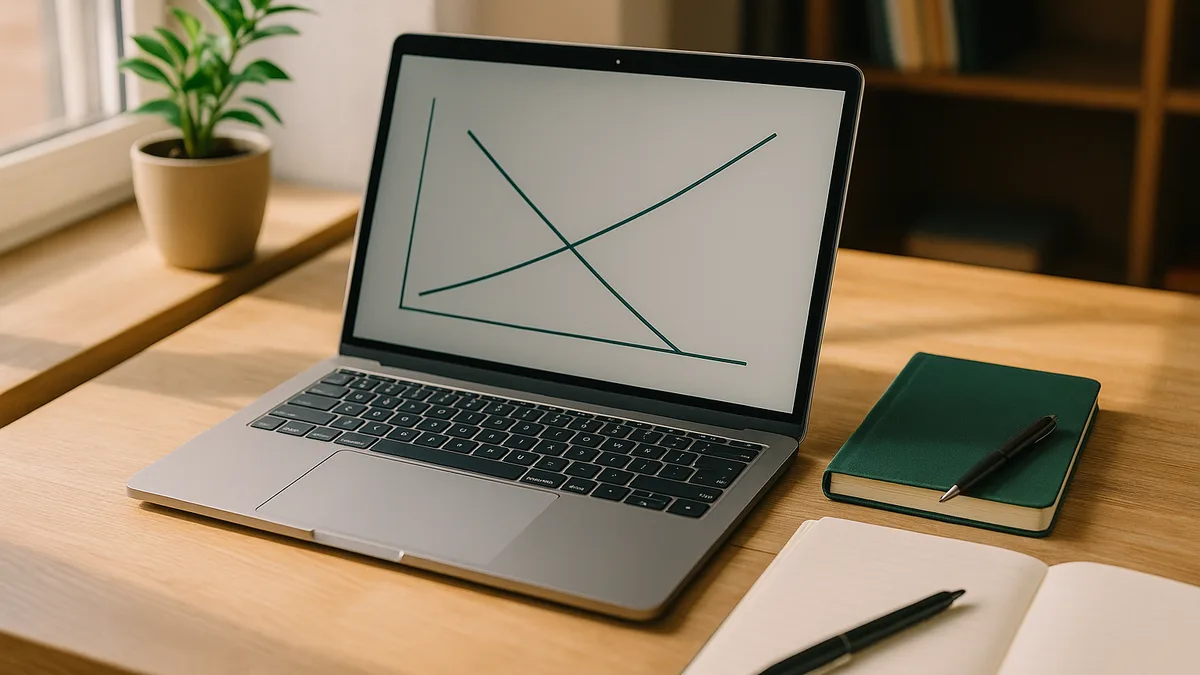
Шығынсыздық нүктесі — бизнес пайда да таппайтын, зиян да шекпейтін сату көлемі немесе табыс деңгейі: жалпы табыс жалпы шығындарға тең болады. Бұл межені түсіну баға стратегиясы, өндірісті жоспарлау және қаржылық болжам жасау үшін өте маңызды. Шағын бизнес әдетте жұмыс істеу үшін қажетті ең төменгі сату көлемін білу және жаңа өнімдер немесе нарықтардың тиімділігін бағалау мақсатында шығынсыздық нүктесін бақылап отырады.
Шығынсыздық нүктесін екі түрлі жолмен көрсетуге болады: сатылатын бірліктер саны түрінде немесе ақшалай табыс сомасы түрінде. Ол үш негізгі көрсеткішке байланысты: тұрақты шығындар (мысалы, жалдау ақысы, жалақылар), бір бірлікке шаққандағы айнымалы шығындар және бір бірліктің сату бағасы. Осы деректерді біле отырып, шығынсыздық нүктесін есептеу қиын емес.
Шығынсыздық нүктесі (бірліктермен) = Тұрақты шығындар ÷ (Бір бірліктің бағасы − Бір бірлікке шаққандағы айнымалы шығындар)
Шығынсыздық табысын табу үшін:
Шығынсыздық нүктесі (табыспен) = Тұрақты шығындар ÷ Маржиналды табыс коэффициенті
мұндағы Маржиналды табыс коэффициенті = (Баға − Бір бірлікке шаққандағы айнымалы шығындар) ÷ Баға
Нан пісіретін шағын кәсіпорынның айына $5,000 тұрақты шығыны бар делік (жалдау ақысы, коммуналдық төлемдер, басқарушының жалақысы). Әрбір нан ингредиенттер мен еңбекке $2 тұрады, ал $6-ға сатылады. Бір бірлікке шаққандағы үлес — $6 − $2 = $4.
Шығынсыздық бірліктері = $5,000 ÷ $4 = айына 1,250 нан.
Шығынсыздық табысы = 1,250 × $6 = айына $7,500.
Нан пісіретін кәсіпорын 1,250 нан сатқаннан кейін барлық тұрақты және айнымалы шығындар өтеледі. Одан кейінгі әрбір нан пайдаға қосылады.
Finmap шығындарды, бағаларды және көлем болжамдарын өзгерту арқылы шығынсыздық сценарийлерін лезде модельдеуге көмектеседі. Мұндай «егер солай болса ше» талдауларын нақты ақша ағынымен қатар жүргізе отырып, сіз өндіріс пен баға мақсаттарын сенімді түрде белгілей аласыз және оларға жету қарқыныңызды бақылай аласыз.