Break-Even Point
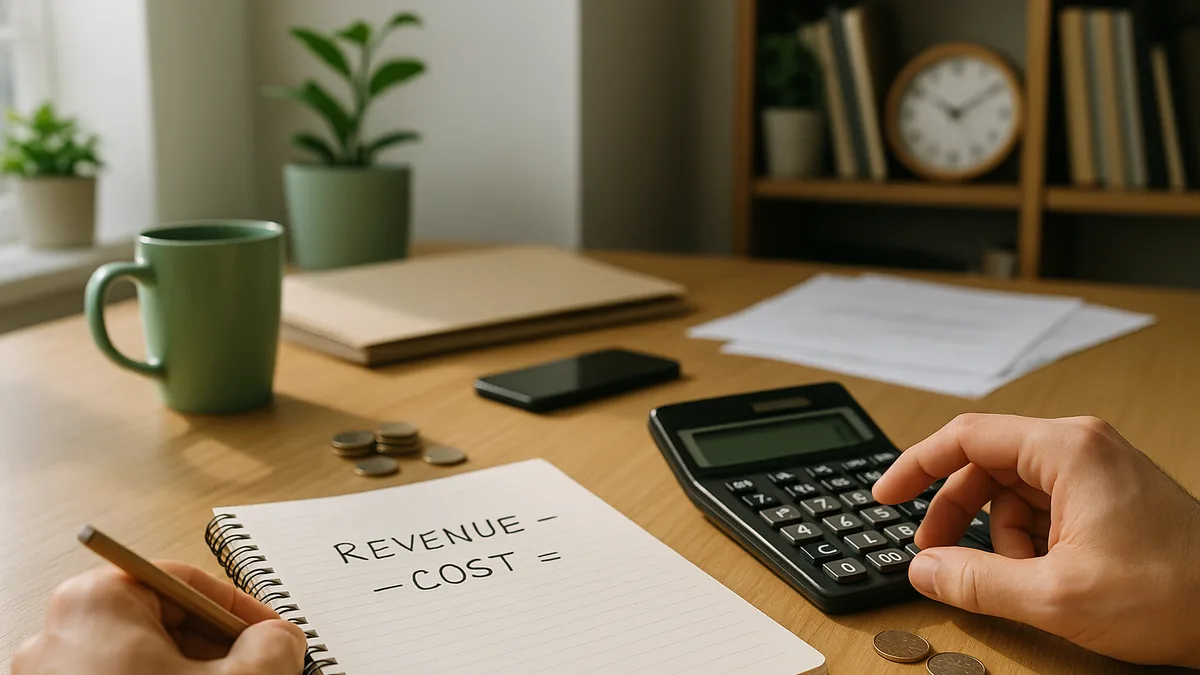
The break-even point is the sales volume or revenue level at which a business neither makes a profit nor incurs a loss—total revenue equals total costs.




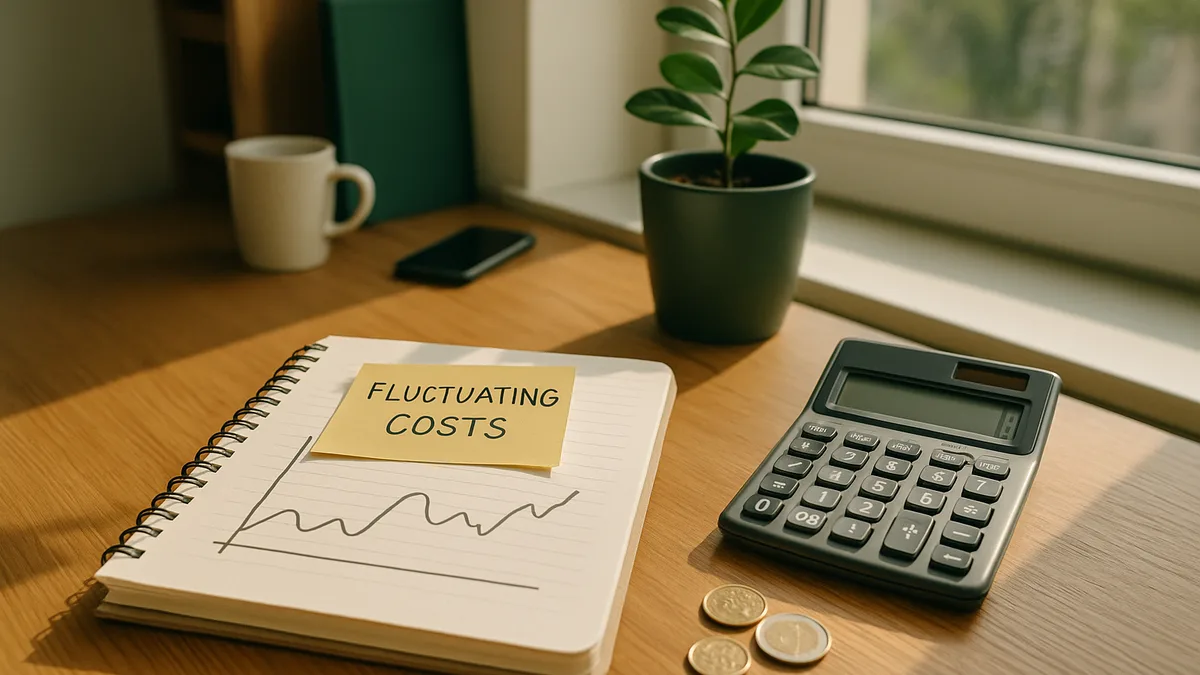
Variable costs are expenses that fluctuate in proportion to your production volume or sales. Common examples include raw materials, direct labor (hourly wages), packaging, shipping, and sales commissions. As you produce or sell more, variable costs increase; as volume drops, so do these costs.
Unlike fixed costs, variable costs scale with your business activity. This makes them predictable on a per-unit basis: if each product costs €2 in materials, 1,000 units will cost €2,000 in materials. Understanding your variable costs per unit is essential for pricing strategy, profitability analysis, and determining your break-even point.
Controlling variable costs is often easier than controlling fixed costs because you can adjust them quickly. However, they directly affect your profit margin on each sale. Businesses often seek ways to reduce per-unit variable costs through bulk purchasing, more efficient production, or supplier negotiations.
A bakery's variable costs include flour (€0.50 per loaf), eggs (€0.20), packaging (€0.10), and delivery (€0.05 per loaf). Total variable cost per loaf = €0.85. If the bakery produces 500 loaves, variable costs are €425. If it produces 1,000 loaves, variable costs double to €850.
Finmap helps you track variable costs alongside fixed costs, making it easy to see the true profitability of each sale and forecast cash impact based on expected sales volumes.