


Saída de Caixa
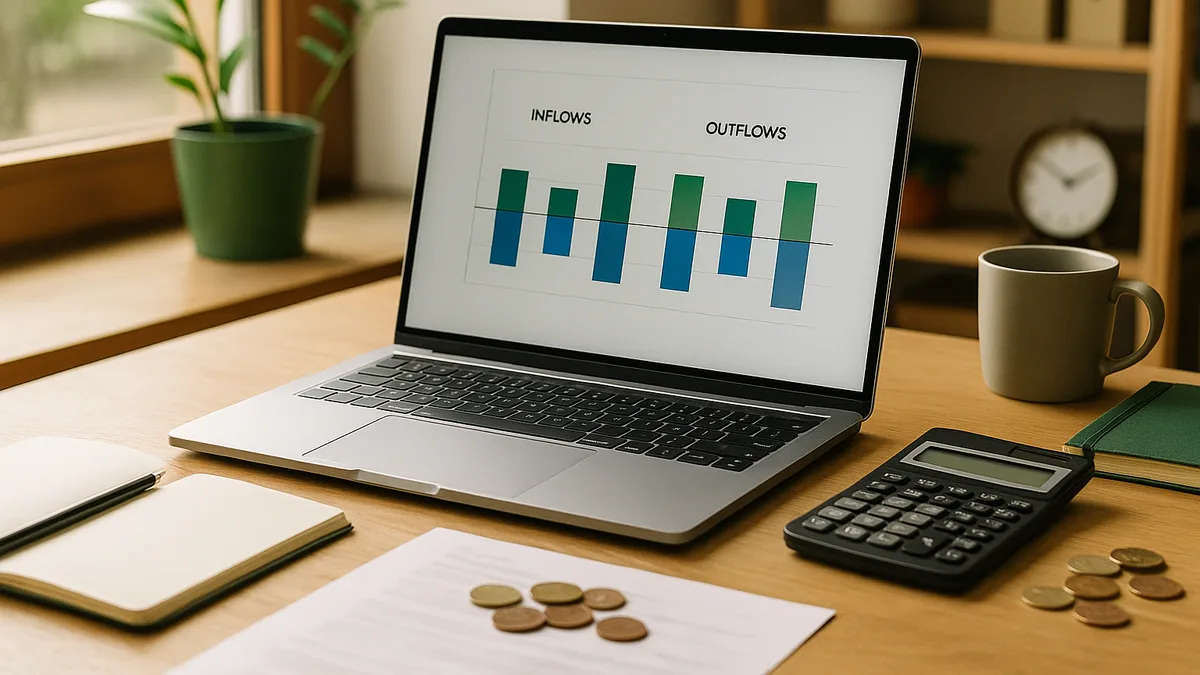
Saída de caixa é o dinheiro que deixa sua empresa — pagamentos de despesas, salários, quitação de dívidas, estoque, equipamentos, impostos e qualquer outra coisa que exija a entrega de dinheiro.

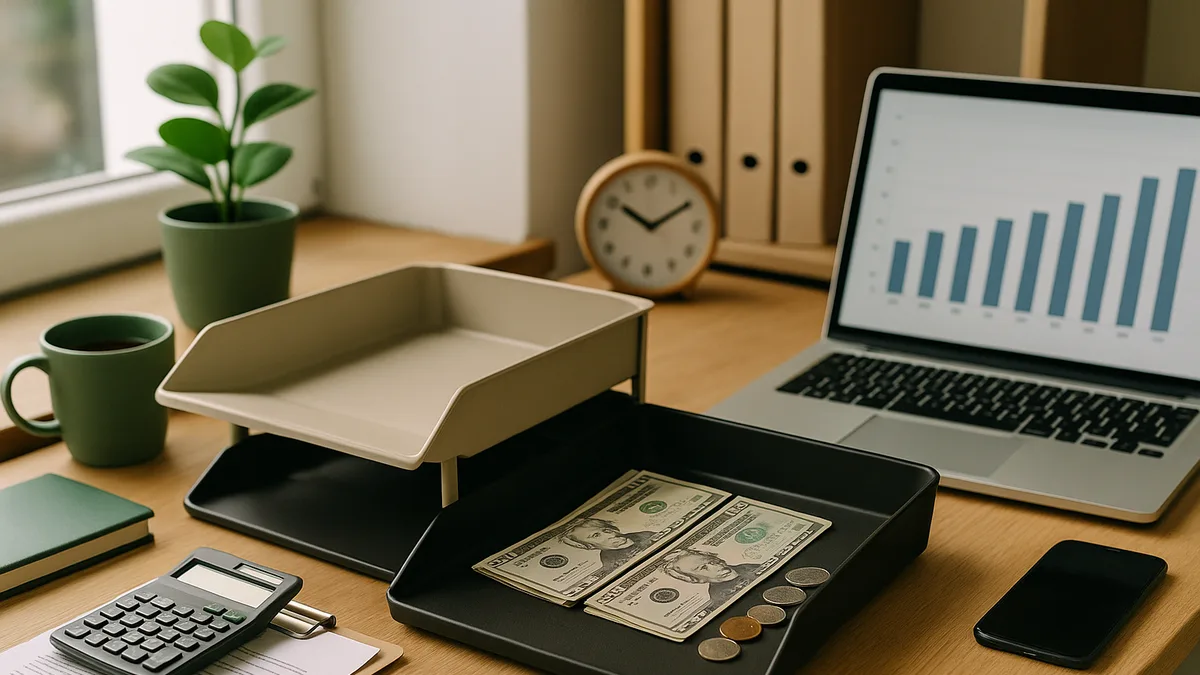
Fluxo de caixa é a movimentação de dinheiro que entra e sai do seu negócio — entradas de caixa provenientes de vendas, empréstimos ou investimentos, e saídas de caixa para despesas, pagamento de dívidas e investimentos. É o dinheiro real e tangível que seu negócio recebe e gasta, diferente do lucro contábil.
O fluxo de caixa tem três componentes: fluxo de caixa operacional (dinheiro gerado pela operação diária do negócio), fluxo de caixa de investimento (compra e venda de ativos) e fluxo de caixa de financiamento (captação de empréstimos, pagamento ou aportes dos sócios). Um negócio pode ser lucrativo, mas ter fluxo de caixa negativo se os clientes demoram para pagar ou se você está investindo pesado em crescimento. Por outro lado, um negócio que está no prejuízo pode ter temporariamente fluxo de caixa positivo se estiver consumindo reservas ou tomando empréstimos. Monitorar o fluxo de caixa é mais urgente do que monitorar o lucro, porque é o caixa que paga salários e fornecedores — lucro é um conceito contábil, mas caixa é sobrevivência.
Uma empresa conclui um projeto de $100,000 no primeiro mês e o registra como receita imediatamente, mas, segundo as condições de pagamento acordadas, o cliente só paga de fato no terceiro mês. Nos meses um e dois, o fluxo de caixa é negativo apesar do lucro positivo registrado. A empresa precisa ter reservas ou crédito suficientes para cobrir a folha de pagamento e outros custos até que o dinheiro chegue. Sem uma gestão cuidadosa do fluxo de caixa, um negócio pode falir mesmo sendo lucrativo.
Ter visibilidade do fluxo de caixa em tempo real é indispensável para o crescimento. O Finmap projeta sua posição de caixa com base em quando as faturas são enviadas e quando os pagamentos chegam, para que você sempre saiba se tem recursos suficientes para investir, contratar ou manter a estabilidade.