


Fluxo de Caixa
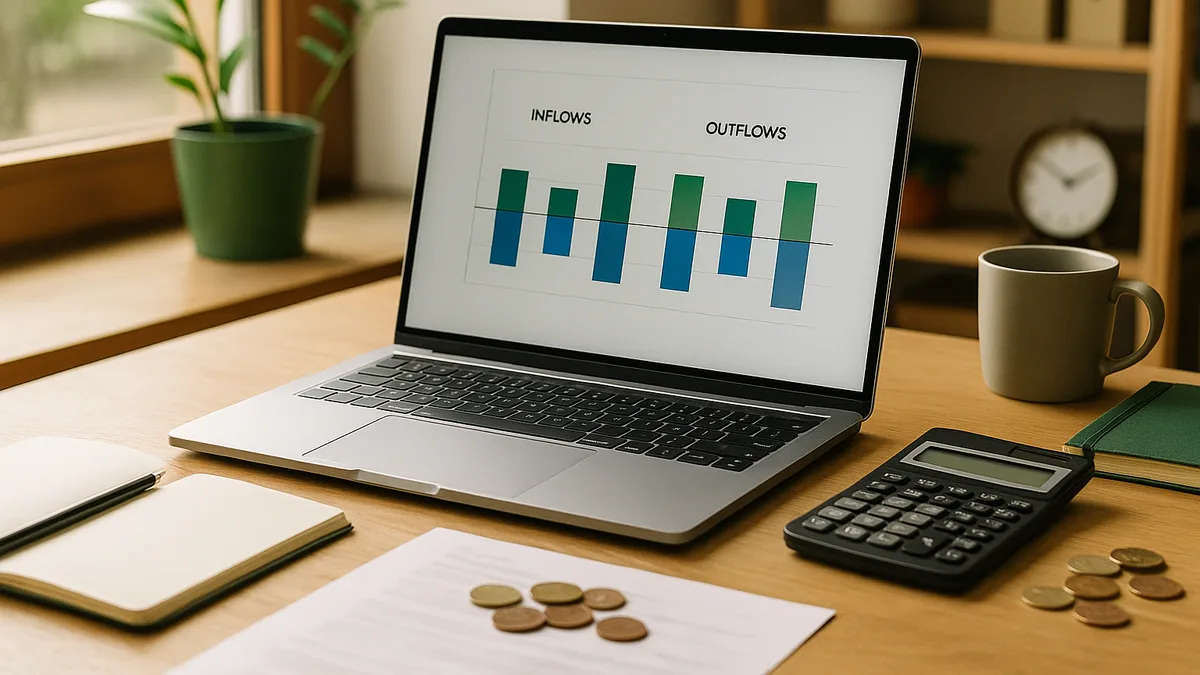
Fluxo de caixa é a movimentação de dinheiro que entra e sai do seu negócio — entradas de caixa provenientes de vendas, empréstimos ou investimentos, e saídas de caixa para despesas, pagamento de dívidas e investimentos.


Entrada de caixa é o dinheiro que entra na sua empresa. É o combustível que mantém as operações funcionando, paga salários, cobre o estoque e financia o crescimento. As fontes mais comuns incluem pagamentos de clientes (a maior fonte para a maioria dos negócios), empréstimos e linhas de crédito, aportes do proprietário, venda de ativos e reembolsos de fornecedores.
Ao montar uma previsão de caixa ou analisar o fluxo de caixa, é preciso identificar e projetar de forma realista cada fonte de entrada. Muitos donos de pequenas empresas subestimam o tempo necessário para receber dos clientes ou superestimam a velocidade com que novas vendas se transformam em dinheiro de fato, o que leva a erros de previsão que podem virar crises de caixa.
Entrada de caixa não é a mesma coisa que receita. Uma empresa pode registrar $100.000 em receita neste mês, mas receber apenas $60.000 em caixa se os clientes ainda não tiverem pago. A diferença entre a receita contábil (por competência) e a entrada de caixa efetiva costuma ser o que mais confunde quem faz previsões.
Uma empresa de consultoria tem vários fluxos de entrada de caixa: mensalidades fixas de clientes ($15.000 por mês, pagas antecipadamente), faturas de projetos ($8.000–$12.000, pagas de 15 a 30 dias após a entrega) e um empréstimo para pequenas empresas ($5.000, liberado no primeiro mês). No primeiro mês, a entrada total pode ser $15.000 + $2.000 (pagamento parcial de um projeto) + $5.000 = $22.000 — bem menos do que a receita registrada, já que a maioria das faturas de projetos ainda não foi paga.
Ao acompanhar cada fonte de entrada separadamente e entender os prazos de recebimento, a empresa constrói uma previsão realista em vez de uma baseada em otimismo infundado.
A Finmap ajuda você a categorizar e projetar cada fonte de entrada de caixa, considerar atrasos nos pagamentos e enxergar o quadro real do caixa em vez da receita contábil — assim você sempre sabe quanto dinheiro está realmente disponível.